


-

Add: HeBei ShengShi HongBang Cellulose Technology CO.,LTD.
-

Email
13180486930@163.com -

CONTACT US
+86 13180486930

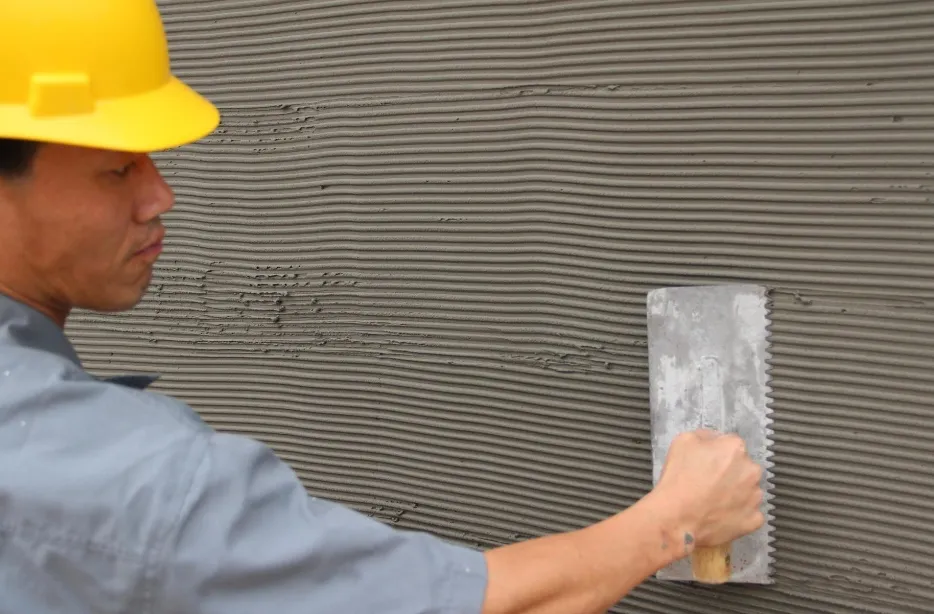


HPMC 5 cps는 최근 다양한 산업에서 중요한 역할을 하고 있는 성분으로, 특히 제약 및 식품 분야에서 그 중요성이 날로 증가하고 있다. 이 제품에 대한 이해는 관련 전문가들뿐만 아니라 소비자들에게도 유익한 정보를 제공한다. 이 기사에서는 HPMC 5 cps의 유용성, 사용 사례 및 그 중요성에 대해 깊이 있는 정보를 제공하고자 한다. HPMC(Hydroxypropyl Methylcellulose)는 식물성 소재로부터 유래한 비이온성 셀룰로스 에테르다. 그 중에서도 HPMC 5 cps는 점도 특성을 기준으로 분류된 제품으로, 다양한 응용 분야가 있다. 점도는 cps(centipoise) 단위로 측정되며, 다소 낮은 점도의 HPMC 5 cps는 특정 응용 분야에서 요구되는 특성을 충족할 수 있다. 전 세계적으로 여러 제약 회사들은 HPMC 5 cps를 코팅 및 제형 설계에 광범위하게 활용하고 있다. 이 제품은 매우 투명한 필름을 형성하여 약물의 산화 및 열로 인한 변질을 방지할 수 있다. 또한, HPMC 5 cps는 무미 무취의 특성을 지녀 약물의 복약 순응도를 높여준다. 물에 쉽게 용해되며 안정적인 필름 형성을 통해 다양한 제형에서 약물 방출 제어에 중요한 역할을 한다. 식품 산업에서도 HPMC 5 cps는 다양한 용도로 사용된다. 이 제품은 식품의 질감 개선, 유지 및 보존력 향상을 돕는다. 특히, 저칼로리 및 식이섬유 보강 식품의 개발에 있어서 중요한 성분으로 활용될 수 있다. HPMC 5 cps는 식물성 기반의 식재료로, 비건 및 채식주의자들에게도 적합하다. 또한, 글루텐 프리 베이킹에서 탄력성과 구조를 제공하는 역할을 함으로써 제품의 품질을 향상시킨다. HPMC 5개의 CPS HPMC 5 cps는 건축용 재료로도 주목받고 있다 . 건축 산업에서는 이 제품이 건조하면서 균열이나 수축을 방지하는 데 크게 기여한다. 또한, 석고보드 접착제 및 시멘트 혼합물의 작업성과 안정성을 보장한다. 이러한 특성 덕분에 건축자재의 수명을 연장하고 유지 보수 비용을 줄일 수 있는 장점이 있다. 수년간의 연구 결과, HPMC 5 cps는 인체에 무해하며, 환경적으로도 친화적인 소재임이 입증되었다. 안정성과 비활성화로 인해 다양한 응용 분야에서 믿을 수 있는 재료로 자리매김하고 있다. 이 제품은 지속 가능성을 고려한 현대 첨단 소재로, 환경에 부정적인 영향을 최소화하면서도 필요한 기능성을 충분히 발휘한다. HPMC 5 cps에 대한 신뢰성을 확보하기 위해, 제조업체들은 국제적인 표준 및 규정을 준수하며, 고품질의 제품을 제공하고자 노력하고 있다. 이로 인해 소비자들은 안심하고 이 제품을 사용할 수 있으며, 장기적으로 안전성과 성능을 보장받을 수 있다. HPMC 5 cps는 첨단 소재로서, 그 활용 범위가 매우 넓다. 이 제품의 다양성과 적용 가능성은 현대 산업에서 그 중요성을 더욱 더 높이고 있다. 그 성능과 안전성은 이미 여러 연구와 시장에서 입증되었으며, 앞으로도 다양한 분야에서 HPMC 5 cps의 잠재력은 무궁무진할 것으로 기대된다.
- 40000tons

Production
- 20+years

Experience
- 5000+㎡

Acreage

-
In the world of construction and textiles, innovative materials like polypropylene fiber and acrylic fiber are transforming traditional methods. Whether for enhancing concrete structures or creating durable fabrics, these fibers offer unparalleled versatility. If you're exploring polypropylene fiber for sale , you’re investing in a material that combines strength, durability, and cost-effectiveness. Polypropylene Fiber: A Revolution in Construction Materials Polypropylene fiber has emerged as a game-changing material in construction, particularly in concrete reinforcement. Known for its lightweight yet high-strength properties, it provides exceptional durability to concrete structures. When integrated into polypropylene fiber reinforced concrete , it significantly reduces cracking, improves toughness, and enhances resistance to wear and tear. The availability of polypropylene fiber for sale has made it easier for builders and manufacturers to access this cost-effective solution. By incorporating polypropylene fiber , you can ensure that your projects meet modern standards of durability and sustainability. Whether it’s for residential buildings, industrial floors, or road construction, this fiber is a valuable addition to any construction project. Polypropylene Fiber Reinforced Concrete: Strength and Longevity Combined When it comes to structural integrity, polypropylene fiber reinforced concrete stands out as a top choice for builders. By dispersing fibers throughout the concrete mix, it improves tensile strength, reduces shrinkage cracks, and enhances overall performance. This innovative solution is particularly effective in applications like pavements, precast products, and water-retaining structures. For contractors looking for polypropylene fiber for sale , choosing a high-quality supplier ensures the best results. The benefits of polypropylene fiber reinforced concrete extend beyond durability; it also reduces maintenance costs, minimizes downtime, and supports eco-friendly construction practices. Acrylic Fiber: Versatility Beyond Construction While polypropylene fiber dominates the construction industry, acrylic fiber is a leader in textiles and apparel. This synthetic material mimics the softness and warmth of wool, making it a popular choice for clothing, home furnishings, and industrial fabrics. Its resistance to fading, shrinking, and mildew ensures that products made from acrylic fiber remain durable and vibrant over time. As you explore polypropylene fiber for sale , consider the complementary benefits of acrylic fiber in creating a diverse range of products. Both fibers are known for their cost-effectiveness and adaptability, making them ideal for businesses that prioritize quality and efficiency. Why Choose Polypropylene Fiber for Your Projects? The increasing demand for polypropylene fiber for sale highlights its significance across industries. For construction professionals, polypropylene fiber offers an affordable and practical way to enhance the durability of concrete. Its lightweight nature makes it easy to handle and integrate, reducing labor costs and speeding up project timelines. Meanwhile, businesses in textiles benefit from the versatility of acrylic fiber , which provides a balance of comfort and performance. Whether you're working on infrastructure development or creating stylish garments, these fibers offer the reliability and innovation required to succeed. Explore Polypropylene Fiber for Sale Today If you’re ready to take your projects to the next level, look no further than polypropylene fiber for sale . With its superior strength, affordability, and environmental benefits, polypropylene fiber and polypropylene fiber reinforced concrete are essential for modern construction. Additionally, the complementary qualities of acrylic fiber ensure that industries beyond construction can also reap the rewards of advanced materials. Investing in these fibers means embracing the future of durable, sustainable, and versatile materials. Transform your projects with polypropylene fiber and experience the benefits of innovation firsthand.
-

Hydroxypropyl methylcellulose (HPMC), a versatile pharmaceutical excipient, plays a crucial role in the formulation of tablets. Its unique properties not only aid in the manufacturing process but also enhance the quality and efficacy of the final product. As an authoritative entity in the pharmaceutical industry, my aim is to shed light on the significance of HPMC in tablet production, through personal experiences, professional insights, and a genuine understanding of its pivotal role. Tablets remain one of the most preferred dosage forms due to their convenience and the ability to deliver precise dosages. The quest for a successful tablet formulation hinges on the selection of appropriate excipients, among which HPMC stands out due to its multifunctional capabilities. Having spent over a decade in pharmaceutical development, the adoption of HPMC marked a turning point in the way tablet formulations were approached. HPMC is primarily used as a binder, film former, and controlled release agent—functions that are indispensable in tablet formulation. Its molecular structure, characterized by methoxyl and hydroxypropyl groups, allows it to exhibit hydrophilicity and gel-forming properties. This ensures that tablets aren't just mechanically robust but also capable of precise drug release profiles. From an expertise standpoint, one of the key challenges in tablet production is ensuring that tablets disintegrate and dissolve at the desired rate. The gel layer formed by HPMC on contacting aqueous environments effectively modulates drug release. In numerous formulations I've overseen, HPMC has been instrumental in developing sustained-release tablets, ensuring the therapeutic agent is released over an extended period. This not only improves patient compliance by reducing dosing frequency but also enhances the therapeutic effectiveness of the drug. Moreover, HPMC also serves as an excellent film-forming agent. In a project involving enteric-coated tablets, the inherent film-forming capabilities of HPMC were harnessed to ensure the active ingredient was only released in the intestine, bypassing the acidic environment of the stomach. This protective measure helps in preserving the integrity of the drug substance, especially for acid-sensitive compounds. hpmc used in tablet The expertise required in understanding the rheological properties of HPMC solutions is paramount for manufacturing high-quality tablets. Through my professional journey, the methodical optimization of HPMC concentration facilitated the production of tablets with desired mechanical strength and disintegration properties. Such adjustments ensure that the tablets don't break or crumble under pressure, yet dissolve at the appropriate rate once ingested. When formulated correctly, tablets using HPMC have consistently demonstrated high bioavailability. Through various bioequivalence studies, HPMC's role in ensuring consistent plasma concentrations of the drug has been validated. This directly attests to the trustworthiness and reliability of HPMC as a superior pharmaceutical excipient. In a regulated industry like pharmaceuticals, the authoritativeness of excipient selection cannot be overstated. Regulatory bodies such as the US FDA and European Medicines Agency frequently demand excipients with a proven record of safety and efficacy. HPMC, with its extensive clinical use and established safety profile, fulfills this criterion perfectly. In numerous regulatory submissions throughout my career, the inclusion of HPMC has never posed significant challenges, underscoring its acceptance and reliability. Lastly, my experience also highlights the scalability offered by HPMC in tablet manufacturing . As demand increases, the transition from pilot-scale batches to full-scale production remains seamless with HPMC. Its consistent performance across different manufacturing scales ensures reproducibility and uniformity—critical factors that define the quality of pharmaceutical products. In conclusion, Hydroxypropyl methylcellulose is more than just an excipient. It is a cornerstone in the development of effective, reliable, and high-quality tablets. Through its multifunctional properties and reputable track record, HPMC emerges as a vital component in pharmaceutical formulations, driving advancements in drug delivery and therapeutic efficacy. Its use not only embodies expertise and authority but also promises a level of safety and trust that is indispensable in the health sector.
advantages
-

200000 Viscosities
Excellent product
We can produce pure products up to 200,000 viscosities
-

40000 tons
High yield
We don’t stop production all year round, and the annual output can reach 40,000 tons
-

24 hours
Quality service
We provide 24-hours online reception service, welcome to consult at any time
———— Inquiry Form
Schedule A services


-
 hpmc_empty_capsules
Oct . 25, 2025
Polypropylene fiber, often referred to as PP fiber, is revolutionizing a multitude of industries wit -
 fabricantes_de_fibras_de_polipropileno
Oct . 25, 2025
Methyl hydroxyethyl cellulose (MHEC) is a versatile polymer that is widely used across various indus -
 hpmc_e5_solubility_in_water
Oct . 25, 2025
Powder rubber, an increasingly popular material in various industries, offers a myriad of applicatio


